The Reason The Row Handbags Continue Holding Their Value Year After Year
Talk to those who run secondhand marketplaces, and you’ll soon find The Row named. This is not a brand built on logos, nor on fleeting trend cycles. Instead it rests on craftsmanship, fabrication, and a design ethos that refuses to chase trends. Precisely because of this stance The Row’s bags behave so distinctly from most luxury accessories after leaving the boutique and enter the secondary market.
The bulk of luxury handbags lose value as soon as they leave the shop, occasionally losing 40 to 60 percent of their retail value within the first year. The Row bags behave differently. Certain styles, most notably the Margaux, have been documented as reselling close to or matching original retail price, and in rare cases above it, contingent upon leather type, condition, and demand at the time of sale. Grasping the reason means examining how the brand handles design, sourcing, and scarcity — three elements that infrequently converge this exactly in the fashion industry.
The Design Ethos That Drives Lasting Value
The Row, founded by Mary-Kate and Ashley Olsen, has shaped its identity through restraint. There are no interlocking logos, no seasonal charm collections, no seasonal color drops built to lose relevance after six months. The Row’s design philosophy treats clothing and accessories as long-term wardrobe investments rather than short-lived trend pieces. This carries major weight for resale value because buyers don’t buy a «moment» — what they buy is a shape and a material that will look identical in relevance five saint laurent shoulder bag or ten years from now.
Contrast it with bags built around a specific print, a specific hardware trend, or a specific silhouette bound to a particular runway season. Those pieces age visibly. A row bag, by contrast, is designed to sit outside of time. The Margaux, the Ascot, and the tote styles all share this quality: simple lines, restrained hardware, and shapes that steer clear of referencing any particular era of fashion.
This outcome is deliberate. The design team reportedly spends extended development cycles — occasionally exceeding a year — refining a single bag shape before it goes into production. That patience shows up later as sustained resale value, because the bag was free from trend dependency to begin with.
Material Quality and Craftsmanship
These handbags are made using top-tier hides, often sourced from French and Italian leather producers known for furnishing top-tier luxury houses. The leather is dense, the grain is consistent, and the finishing is done through handcraft in small ateliers rather than industrial manufacturing plants. This has a direct impact on how the bag ages. A well-tanned leather bag develops a patina over years of use rather than splitting, flaking, or losing shape.
The density of the stitching is another overlooked detail. Whereas a mass-produced bag often uses a single row of heavy-duty stitching at points of strain, bags from the row typically display more even and controlled stitch work all along the seams — tangible evidence of unhurried, more careful manufacturing. Hardware, when present, is typically solid rather than plated, which resists tarnishing over years of handling.
These aren’t just brand claims; they reflect actual build quality. A bag that keeps its form after three years of regular use is a bag that remains photogenic on a resale listing, still commands a strong price, and still functions as intended. Buyers researching row bags overview content consistently cite this durability as the main reason they’re willing to pay near-retail prices secondhand.
Scarcity and Controlled Retail Reach
Oversupply simply isn’t part of The Row’s strategy. Pieces are manufactured in limited runs and sold through a small number of boutiques and select department stores, plus the brand’s own e-commerce channel. There is no outlet arm, no bulk markdown channel, and historically very few markdown events. This scarcity is a key driver of resale strength.
On the occasions a row sale takes place — typically during occasional seasonal adjustments — it tends to involve small price reductions rather than the 50-70 percent slashes common at other luxury houses. Since steep markdowns are uncommon, secondhand buyers don’t count on locating the row bag they want at a steep markdown, so they’re willing to pay nearer full price on the resale market instead.
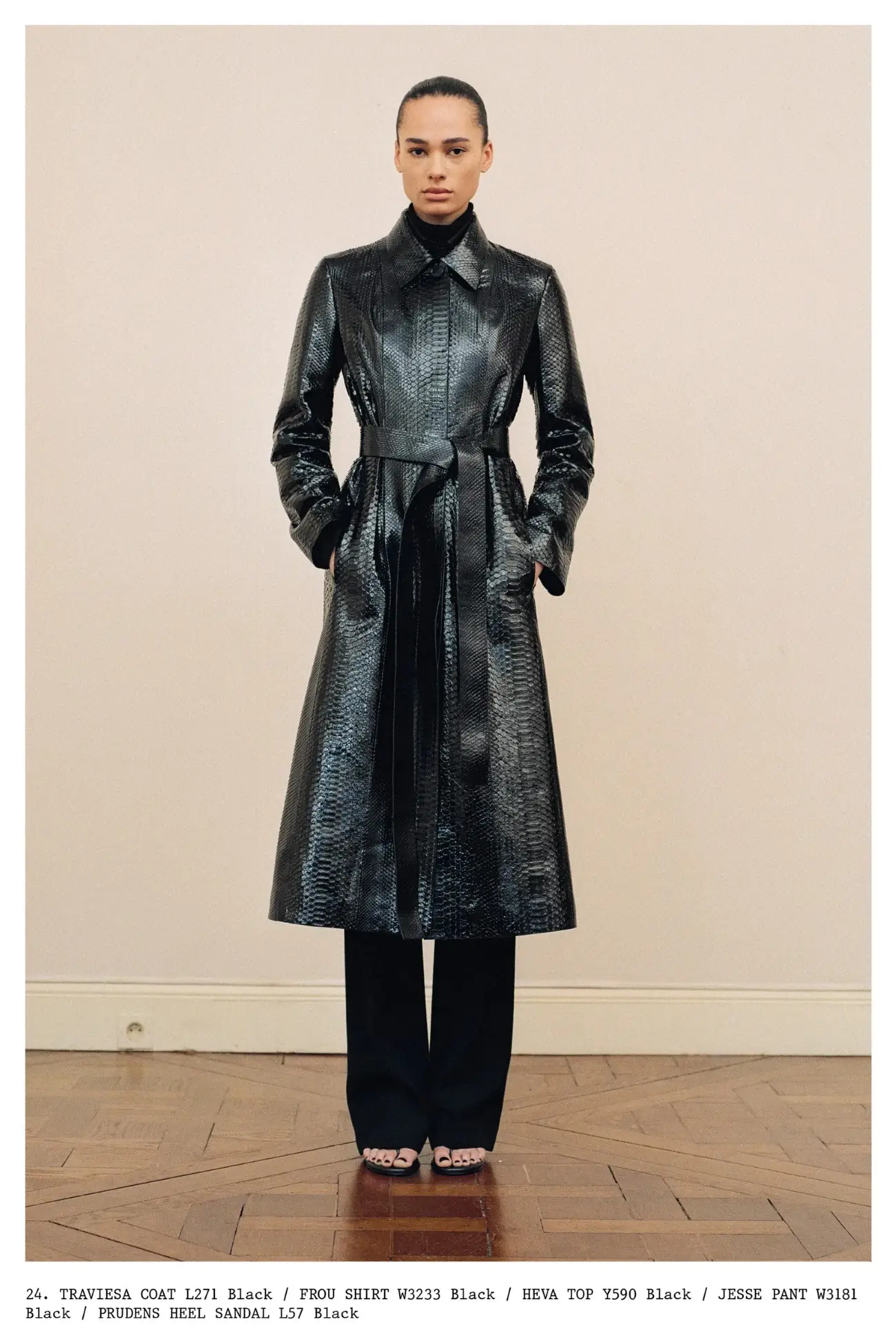
Restricted distribution further means fewer bags are in circulation at any given time. Should you be curious where to buy the row margaux bag, the honest answer is that options are tighter than with most luxury brands: the brand’s own site, a limited group of luxury retailers, and authorized boutique locations. That tight pipeline keeps supply tight relative to demand, which is one of the most fundamental and consistent drivers of price stability in virtually any resale market.
Comparing The Row’s Top Bags
Some row handbags simply outperform others when it comes to resale worth. Certain silhouettes have earned stronger standing than others based on demand, versatility, and how identifiable the silhouette has become. Below you’ll find a comparison of some of the most talked-about styles among resale buyers and stylists tracking the best row bags in 2026.
| Bag Style | Silhouette Style | Market Appeal | Best Suited For |
|---|---|---|---|
| Margaux | Firm-shaped tote | Remarkably robust | Work and daily wear |
| The Row Tote Bag, classic style | Relaxed, roomy tote | High | Trips and routine outings |
| Ascot | Top-handle bag | Fairly strong to high | Dressy, formal wear |
| Half Moon | Shoulder bag with curved shape | Medium | Everyday casual use |
That Margaux style consistently tops lists of top row bags thanks to its flexible form; it works with equal ease as a workwear piece or a downtime companion. That signature the row tote bag trails not far behind, valued for its capacity and low-key labeling, allowing it to be paired effortlessly with nearly any wardrobe. Firmer-shaped pieces like the Margaux typically outperform in resale value compared to fully unstructured styles mainly because they display signs of age at a slower pace.
How The Row Compares to Other Investment Brands
Investment-grade handbags usually originate from a limited handful of labels: Hermès, Chanel, and a handful of others where demand consistently outpaces supply. The Row is a more recent addition to that discussion, but its resale performance is already drawing comparisons with these longstanding labels. Unlike Hermès, The Row doesn’t operate a waitlist system, but its limited production runs generate the same kind of scarcity without the years-long wait.
If one factor separates the row bags from other «quiet luxury» names, it’s reliability. Where some minimalist brands rotate silhouettes every season, The Row maintains its key styles for years at a time, occasionally introducing new colorways or leather treatments without ever fully redesigning the form. This continuity fosters confidence among shoppers, whether buying new or used, because they understand the bag they’re purchasing will not be phased out or overshadowed by whatever comes next season.
The net effect is that resale inventory stay visually consistent with the latest lineups, so resale demand remains even rather than being driven by each new release.
Smart Shopping Tips for 2026
If you’re shopping with resale value in mind, condition and documentation matter enormously. Having proof of purchase alongside the dust bag and authenticity card meaningfully raises the value of a secondhand row bag. The shade of leather counts too: understated shades such as black, tan, and taupe usually perform better on resale than seasonal or limited-run colors, since they pair with more types of clothing.
A row sale can offer a smart opportunity to buy, but steep discounts shouldn’t be expected — a 15-20 percent reduction is far more common than the larger price cuts typical elsewhere. For those specifically trying to find the row margaux bag at a reasonable price, checking both the brand’s official channels and reputable resale platforms with authentication services is the safest approach, since supply varies and counterfeit items are a real risk given the brand’s growing visibility.
Fundamentally, the row bags stay valuable because every piece of the puzzle — craftsmanship, materials, distribution, and brand control — aligns toward the same outcome. This kind of consistency is rare within fashion, and it’s precisely why these bags have become among the most understated yet dependable investments in the current handbag market.