Ferragamo Sale and Outlet: What Is Genuine, and What Only Looks It
Type ferragamo outlet into a search box and results come back. Most of them are not the brand’s. This guide exists because of that one sentence, and everything below is built to help you tell the difference before your card details are involved. The real discount landscape around this house has a shape you can learn in about ten minutes. There is also a counterfeit landscape built precisely to look like the first one, and it depends on shoppers not knowing where the real boundaries sit. Here the verified facts are separated cleanly from what nobody can honestly confirm, because a buyer-protection guide that overstates its case protects nobody.
What the Brand Actually Runs Online
The brand does run its own discount channel, and nothing about it is complicated. Its own website holds dedicated seasonal sale sections, for women’s and for men’s, and they are the only official online route to a reduced price on a Ferragamo bag. Seasonal means exactly what it sounds like: the section appears in some parts of the year and not in others. At the time of research — early September 2026, between seasons, the United States sale address sent visitors to the country selector and no sale link appeared anywhere in the live navigation. That behaviour is entirely consistent with a section that switches off between seasons and comes back later. What follows from that is that the absence of a visible ferragamo sale at any given moment is normal, not a sign that something has gone wrong.
Stores Inside Outlet Villages, and the Word That Is Absent
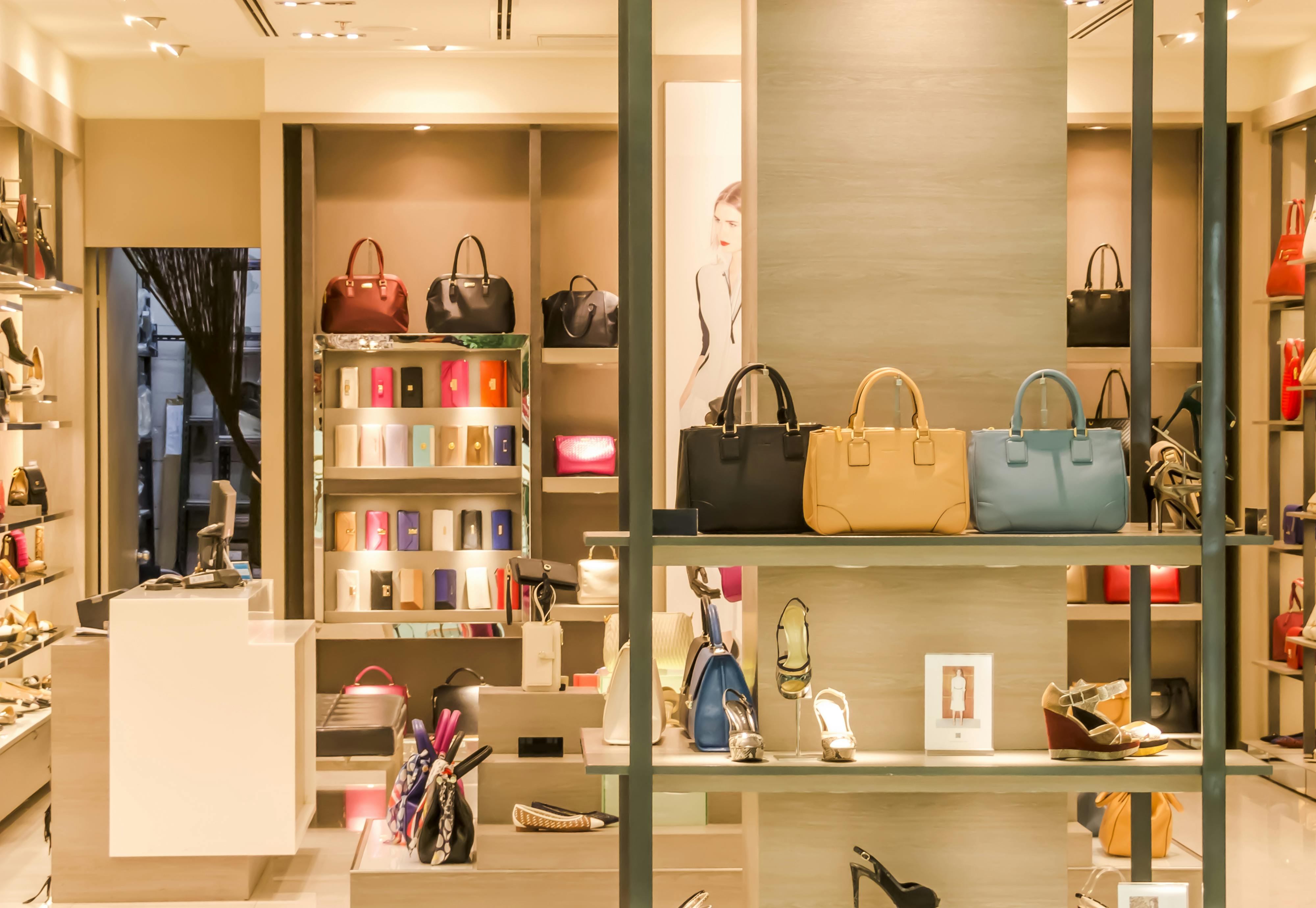
Physically, the picture is different — and genuinely more generous than the online picture. The brand operates stores inside outlet villages, which is a precise formulation worth keeping precise. There is a store near Florence at The Mall Firenze, in Leccio and Reggello, beside the city that has https://feragamo.org/tote-bags/ been the house’s base since 1927. In the United States and Canada, stores sit inside a dozen or more Simon Premium Outlets, including Woodbury Common in New York, Desert Hills, Livermore and Carlsbad in California, Las Vegas North in Nevada, Orlando Vineland in Florida, Clarksburg in Maryland, Houston and San Marcos in Texas, Leesburg in Virginia, Wrentham in Massachusetts and one in Toronto. The point almost nobody raises is that the brand’s own store locator calls none of them an outlet. Each is listed simply as a store that happens to sit inside an outlet centre.
The Fact That Settles Most Cases on Its Own
No official online outlet exists for this brand. No members-only version, no regional version, no overflow site for last season. Reduced prices come through one official online channel only: the seasonal sale section on the brand’s own website, and the outlet-village stores are bricks-and-mortar shops you walk into. That hands you a structural test rather than a cosmetic one, and structural tests are the ones that survive good graphic design. With no official online outlet in existence, a site presenting itself as one is not the brand, no matter how convincing the photography or how familiar the logo. You need not inspect stitching or study hardware to reach that conclusion, because the conclusion follows from how the brand distributes, not from how a bag looks. That is the most useful sentence on this page.
How a Fake Outlet Site Gets Built
What gives counterfeit storefronts away is their sameness, because creativity is not among their strengths. They tend to be assembled from the same handful of components, deployed quickly and abandoned quickly, which is why the same pattern repeats across hundreds of them. Naming is usually the first tell, because these sites pair the brand name with a generic commercial word to borrow authority. Imagery is the second, since campaign and product photography is simply lifted from the brand and reused across listings with no real inventory behind them. Third and loudest is the pricing, because nothing in the authorised chain is priced the way these sites price things. The fourth is what is absent rather than present: no company name, no registration details, no verifiable address, no way to reach anyone accountable.
| What you see | What that usually means | What you should do |
|---|---|---|
| A site name pairing the brand with outlet, sale, official or store | No official online outlet exists, so the framing itself is the tell | Close it and move on |
| Official product photography repeated across every listing | Images taken from the brand rather than shot from real stock | Assume the stock does not exist as pictured |
| Discounts of 70 to 90 percent on current-season bags | Nothing in the authorised chain is priced that way | Take the price itself as the warning |
| No company details, no registration, no verifiable address | Nobody accountable stands behind the checkout | Do not enter payment details |
| Broken English, peculiar currency handling and unusual payment requests | A storefront thrown together fast and built to disappear | Leave and report it |
What the Brand’s Own Enforcement Numbers Reveal
You do not have to take the scale of this problem on trust, because figures are published by the company itself. For 2022 alone, in its own brand protection reporting, Salvatore Ferragamo says that 107 fraudulent websites were removed. In that same year it reports 89,136 counterfeit product listings taken down from e-commerce platforms. The same reporting adds more than 2,000 infringing social media profiles removed and over 90,000 counterfeit products seized globally. A single twelve-month period produced all of it, with every figure the brand’s own, which tells you that fake storefronts are not occasional accidents but a continuous industry. What the company tells shoppers follows logically from its own data: purchase through its website or through authorised stores and distributors.
Where Real Discounts Legitimately Exist
The easier message is also the false one: none of this means every reduced price is fraudulent. Authorised stockists including Nordstrom, Bloomingdale’s, Saks Fifth Avenue, Mytheresa and Farfetch carry the line at recommended retail, and during research one of them listed a Hug East-West Small at $2,500 and a Hug Medium in raffia at $3,400, matching the brand’s own observed 2026 prices exactly. Those retailers run their own promotional events on their own terms, and that is a real and legitimate route. Since established consignment platforms still file them under Salvatore Ferragamo, searching salvatore bags surfaces listings the current mark alone will miss — and the volume they handle makes pre-owned a second genuine route. Aggregator sites are a third category and a murkier one, since what they surface are currency-converted third-party listings that often disagree with official pricing. Use the brand’s own prices as your reference point and treat everything else as a claim to be checked.
The Things Nobody Can Honestly Tell You
A guide’s trustworthiness rests on what it refuses to say. No one can tell you when the next seasonal sale starts, because the brand publishes no such calendar and the section just appears and disappears. No one can tell you how deep the reductions go, not online during a sale and not inside an outlet-village store, because it is not published anywhere either. Whether stock in those village stores is previous-season inventory or made for that channel is something nobody can tell you, because there is no verified public answer anywhere. The confidence is the problem, not the number: any article giving you a confident percentage on any of the above is inventing it. Treat unsourced specificity in editorial content as a warning sign exactly as you would on a suspicious storefront.
A Five-Minute Check Before You Pay
Start with the structural test, because it takes out the majority of bad outcomes on the spot. The brand’s own site, an authorised retailer you already know, or an established pre-owned platform? If the answer is none of those three, stop. Then compare the asking price with observed 2026 official pricing, where entry pieces run roughly $830 to $1,500 and the recognisable Hug starts at about $2,100 to $2,500. A current-season bag offered at a fraction of that is telling you what it is. After that, look for the boring things, the company details and contact information no real Ferragamo shop has any reason to hide. And finally, remember that the brand’s only stated authenticity guidance is to purchase from its own website or from authorised stores and distributors, and that it puts out no authentication guide of its own. Buying from the right place is not one signal among many — it is the whole of the protection.